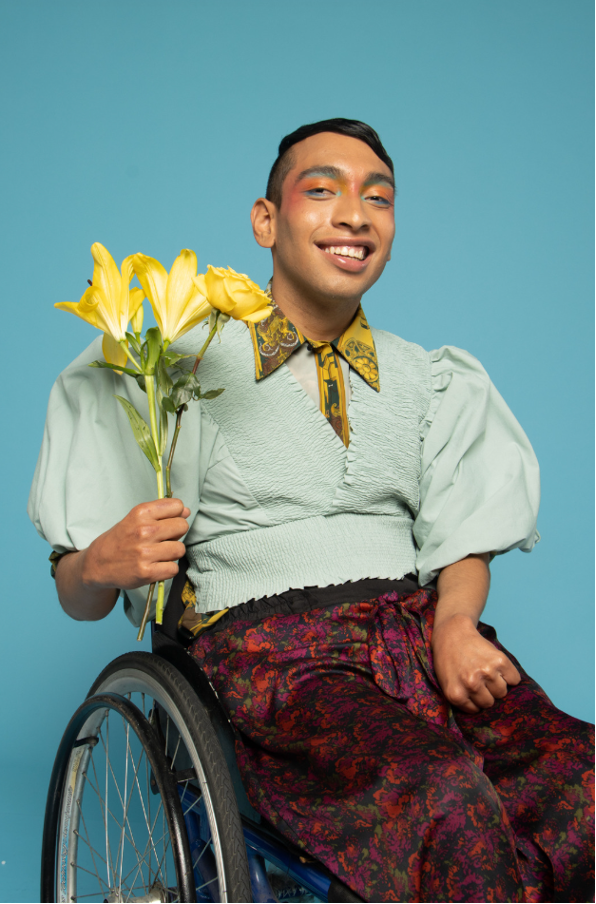
The Awkward Topics – Sex and sexuality, romantic relationships and reproductive health
Learning Objectives
By engaging with this section of the module, you will be able to:
Feel more comfortable talking to health professionals about sensitive topics.
Discuss topics such as sex and sexuality as they relate to a young person with CP.
Demonstrate more confidence in exploring romantic relationships.
Describe important information about periods, birth control, and pap smears.
Awkward Conversation Topics
Talking about topics like sex, relationships, and changes in your body as you grow from a teenager to an adult can feel uncomfortable or awkward. Sometimes, you might wish you could just look it up online instead!
This section is here to help you be able to feel confident to conversations about any of these subjects with your health professionals. It covers topics like:
These conversations are important, and we want to make them easier for you to have, even if they feel a little awkward.
Exploring sexuality and intimacy
As a child with CP, you may have received a lot of hugs and affection. But as you got older, most touch may have become focused on helping you with daily care instead.
When growing up, you may have had fewer chances to try activities that help develop your sexuality. Negative social attitudes and the effects of your disability can make it harder to explore these feelings, and some people may mistakenly believe that people with CP are not sexual.
As a teenager or adult, it’s normal to want privacy. However, with caregivers around and the countless medical visits, it may feel like you get less privacy than you’d like.
Most young people with CP say they learn about sex and relationships from school or the internet. Studies show that people with CP, aged 18 to 65, are less likely to have a partner or experience in relationships, intimacy, or masturbation.
There are physical factors that can impact intimate activities for people with CP, such as:
Muscle spasms or weakness
Difficulty with positioning
Pain or discomfort
Starting the Conversation
It may feel difficult, but talking about your sexual health is important. You might wish your healthcare professionals would start these conversations, but that often doesn’t happen. So, taking the first step to bring up your questions and concerns can make a big difference. You can also encourage others to do the same!
WHAT TO ASK
You have the right to ask any questions you may have and to receive clear answers and helpful resources.
If you ask them, healthcare professionals should be talking with you about your sexual health. They should be focusing on positive experiences, not just problems.
WHO TO ASK
Start by talking to your GP (General Practitioner).
You might also have another health professional you trust who can guide you on who to ask about these topics.
HOW TO ASK
If you’d like to talk in private, you can ask for an appointment without caregivers or a support person present— this is common for many people.
If you don’t get the answers you need right away, keep looking for someone who can help. (For more tips, see Topic 2: Health Advocacy)

Questions to support sexual self-advocacy
Has my CP resulted in fewer opportunities to explore my sexuality?
Yes / No
Is that my fault?
Yes / No
Is it my responsibility to speak up and ask questions?
Yes / No
Where could I go to ask for information specific to me?
Internet e.g., Google
GP
Another health professional e.g., specialist
Is it okay to expect to be supported to discover my sexuality?
Yes / No
-
Sex & Sexuality

The topic of learning about sex is private to me but I am part of a group that attends zoom meetings about topics to do with sex and relationships that you would not talk about every day. These meetings are well planned and interesting with information written in plain English.
1 Likes0 Saves0 SharesRead time: 4 mins