How is my healthcare paid for?

Medicare
Who can get medicare?
You can get Medicare if you are:
🌏 Reciprocal Healthcare Agreements
Australia has agreements with 11 countries. These agreements help cover the cost of needed medical care. Australians can get care in some of these countries, and people from these countries can use Medicare when they visit Australia.
For example, people from the United Kingdom, Ireland, and Sweden can use Medicare in Australia.
How to enrol in medicare?
You might want to apply for your own Medicare card for a few reasons:
Independence
Having your own card means you can take care of your own healthcare, appointments, and prescriptions.
Privacy
Your own card helps keep your healthcare information private.
Access to Services
If you’re not on a family account anymore, your own card lets you still use medical services.
You can apply to have your own Medicare card by following the steps below:
1. Applying online or in person at a Services Australia Centre. Visit website here to apply.
2. Providing proof of identity (e.g., your passport, birth certificate, or visa).

Once you’re signed up, you will get a Medicare card sent to you in the mail.
This is what the card looks like:
You will need to bring this card with you to your medical appointments or visits to the hospital.
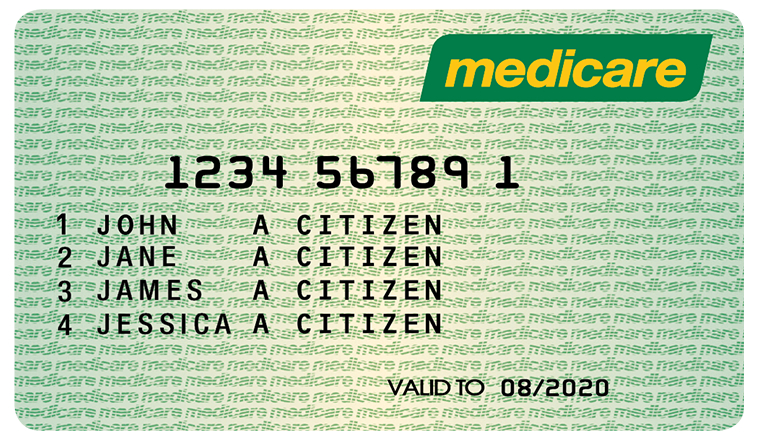
The Medicare Program (module) | Services Australia
This module, developed by Services Australia, explains who is eligible for Medicare, why having a Medicare card is important, and how to understand the information on the card.
What if I’m not eligible for Medicare?
If you are not eligible for Medicare, you may need to pay for your health care yourself, or you might need private health insurance. You can check with Services Australia for more information about your options.
What does Medicare cover?
🏥
Treatment in public hospitals,
Including visits to the Emergency Department when you need urgent care.
🧑⚕️
Seeing a GP or medical specialist,
Like a neurologist or orthopaedic surgeon
🔬
Most tests and scans
such as x-rays, MRIs, or blood tests, which can be important for managing your CP.
🩺
Most surgeries and procedures in public hospitals,
includes operations you need related to your disability.
👁️
Eye tests by optometrists,
to check your vision and eye health.
What Medicare does not pay for:
🚑❌
Ambulance services
You might need to pay for ambulance transport or have private ambulance cover.
🦷❌
Most dental services
Dental care, such as check-ups or treatments, are not covered
🦾❌
Allied health appointments
Like physiotherapy, speech therapy, occupational therapy, or psychology services. These may require private funding, NDIS support, or other subsidies
To learn more about what Medicare covers, you can visit the Medicare Benefits Schedule (MBS) online module. The MBS shows you which services are covered by Medicare and how much Medicare will pay for them.
There are also many helpful resources online that provide more information about this. We have listed some trustworthy sources below:
- What’s covered in Medicare | Services Australia
- The Australian health care system (module) | Services Australia (this module provides information the Australian health care system and what Medicare covers).
What is bulk-billing?

Please visit the following websites for more information on Medicare bulk billing:
What is the Pharmaceutical Benefits Scheme (PBS)?

Visit these websites for more information:
Pharmaceutical Benefits Scheme | HealthDirect
What is Private Health Insurance?
Private health insurance is extra insurance alongside Medicare. You pay a yearly fee, called a ‘premium,’ to receive additional benefits Medicare doesn’t cover.
It offers more options for treatments, services, and providers, including:
Choosing the right plan
Private health insurance companies have different levels of coverage. The more you pay, the more services you can access, and the more benefit (payment) you will receive when you make a claim.
You can choose a plan that fits your needs and budget.
Think about which supports and services might be helpful for you and managing your CP, like regular physiotherapy or dental visits.
Before choosing a plan, it is important to look at the fine print like:
Waiting Times
Often there is a 12-month wait before you can access rebates for some services, like surgeries.
Services Not Included
Premiums that don’t cost as much don’t include rebates for as many services. You will need to think about those health services you are likely to want and need.
Am I covered by my parents’ private health Insurance?
You might still be covered by your parents’ private health insurance. Some insurance plans cover young adults until they are 25, especially if they are full-time students or listed as “dependents.”
Check with your parents and their insurance company to see if this applies to you.
For more information on private health insurance, please visit the following websites:
Private health insurance and Medicare | Services Australia
NDIS
The NDIS can help pay for support services, such as personal care or therapy, to help you have the best quality of life and achieve your goals. It can also connect you to other supports in your community, like social groups or local health services.
Please note, the NDIS does not cover emergency or hospital healthcare.

For more information about the NDIS, including who the system is designed for, and how you can apply, please visit www.ndis.gov.au.
-
GP Bulk Billing & Driving

For a long time I never bothered with GPs. I saw specialists on a regular basis and didn’t think I needed one. The one time I did require a GP connection was to sign off on my ability to drive when I went for my Learner’s license.
1 Likes0 Saves2 SharesRead time: 4 mins